A seaplane flight from Miami to the Abaco Islands takes about 1.5 to 2 hours. That is door-to-water, no layovers, no connecting flights, no trudging through a packed terminal. Compare that to a commercial route where total travel time often pushes past 3 hours with check-in, boarding, and a layover in Nassau. For anyone trying to figure out how to get to Abaco, Bahamas without burning half the day in airports, a seaplane cuts the hassle by a wide margin.
The Abacos sit about 200 miles east of South Florida. That is close. Surprisingly close, given how remote and untouched the islands feel once you land. And here is the thing about a seaplane trip: the flight itself becomes part of the vacation, not just the boring commute before it starts.
Why the Flight Time Varies
Not every seaplane covers the same distance at the same speed. Flight time depends on a few factors that shift trip to trip.
- Aircraft type: A Cessna on floats cruises around 100 to 130 knots. Bigger amphibious planes fly faster. The aircraft used for charters out of Miami typically fall in that range.
- Weather and wind: Headwinds add time. A calm day in winter cuts the flight short. A gusty summer afternoon adds 10 to 15 minutes.
- Departure point: Flying from the Miami Seaplane Base on Biscayne Bay shaves off distance compared to airports further inland.
- Landing spot: Marsh Harbour on Great Abaco is the most common destination. But seaplanes can land on water near cays like Hope Town or Green Turtle Cay, which changes the route slightly.
On a standard calm day, expect about 90 minutes in the air from Miami to Marsh Harbour. That puts total trip time well under two hours.
Every Way to Get to Abaco From South Florida
A seaplane is not the only option, obviously. But once travelers add up the total travel time, it starts to look like the smartest one.
Travel Method | Flight/Travel Time | Total Door-to-Door | Best For |
Seaplane charter | 1.5 to 2 hours | ~2 hours | Day trips, small groups, scenic travel |
Commercial flight (direct) | ~1 hour 10 min | 3 to 4 hours | Budget travelers with flexible schedules |
Commercial flight (via Nassau) | 2.5+ hours flying | 5 to 7 hours | Travelers with no direct flight access |
Private charter plane | ~1 hour | 2 to 3 hours | Larger groups, heavy luggage |
Commercial flights from Miami or Fort Lauderdale to Marsh Harbour Airport (MHH) run on American Airlines and Bahamasair. Direct flights exist, but they are not daily on every carrier. Bahamasair routes often connect through Nassau, which adds hours. And that is before you factor in the TSA line and the two-hour early arrival rule.
With a seaplane, the process looks different. Show up at the base. Board. Take off from the water. No security theater. No overhead bin drama.
What Sets a Seaplane Apart From a Regular Flight
Look, a commercial plane gets the job done. Nobody is arguing that. But the experience could not be more different.
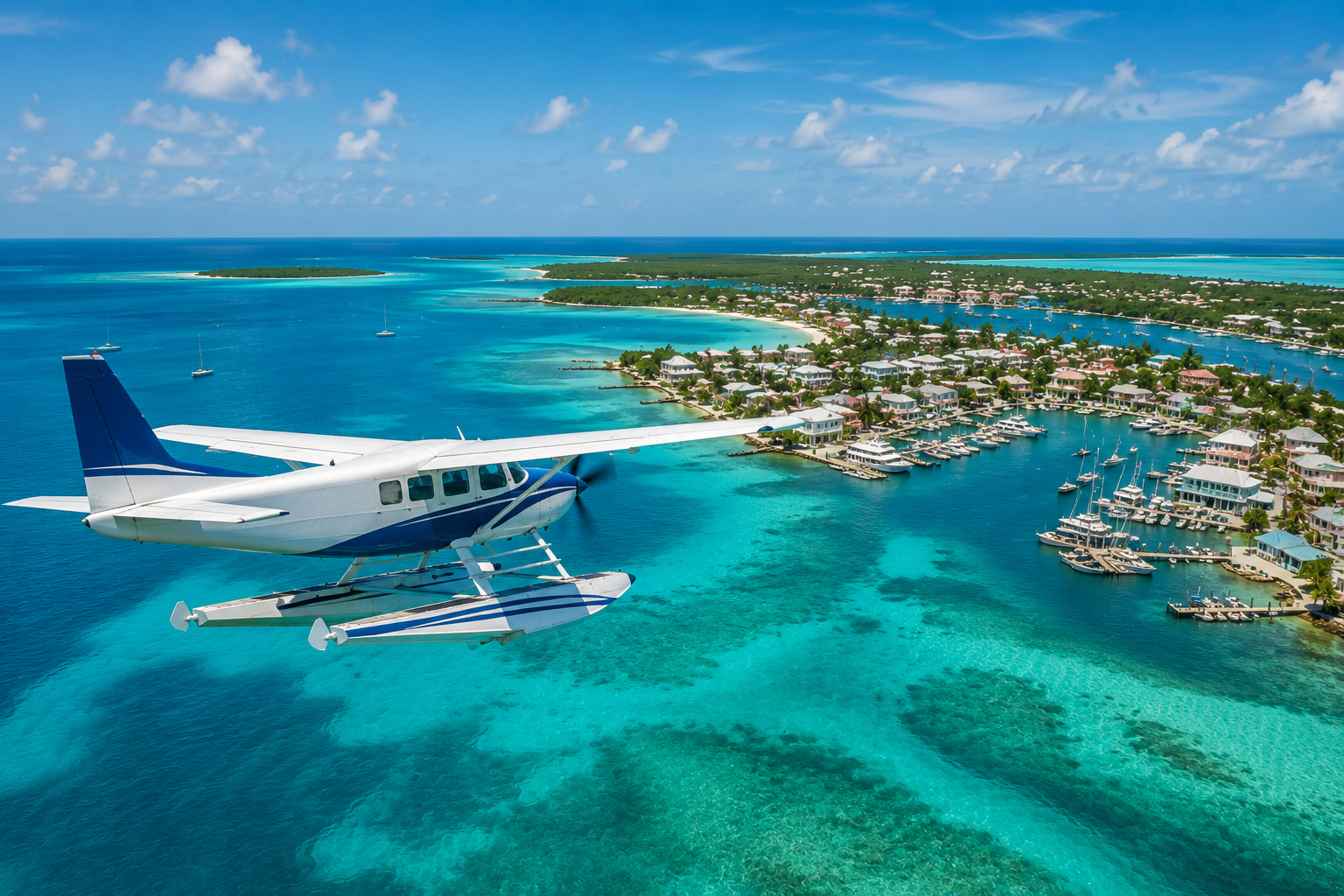
A seaplane flies low. That means the entire Atlantic crossing from Miami to the Bahamas happens at around 500 to 1,000 feet above sea level. The water color shifts below, from the deep navy of the Gulf Stream to the bright turquoise over the Bahama Banks. Reefs and sandbars show up like shadows beneath the surface. On a clear day, the visibility is wild.
Every seat is a window seat. That is not a gimmick. Most seaplanes used for island charters carry 2 to 8 passengers, so there is no middle seat buried behind a headrest. The pilot often points out landmarks along the way.
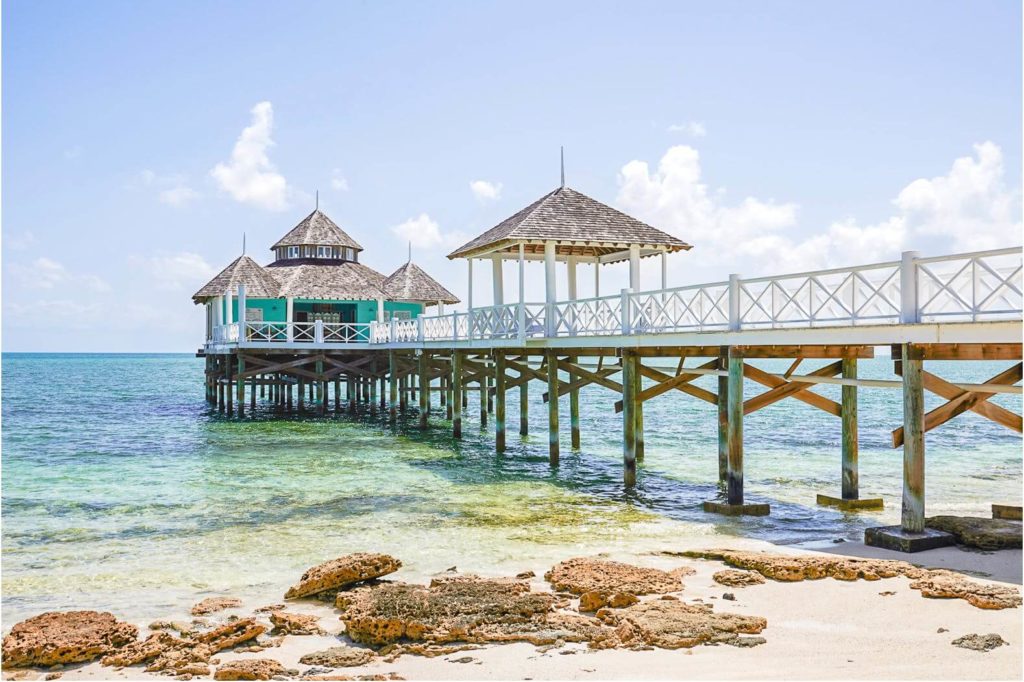
And then there is the landing. A seaplane does not need a runway. It touches down on the water near the destination, which opens up access to islands and cays that have no airstrip at all. Hope Town on Elbow Cay, for example, has no airport. But a seaplane drops right into the harbour.
Miami Seaplane Tours runs a dedicated Marsh Harbour Day Trip that covers the full Miami-to-Abaco route with eight hours on the ground to explore.
What to Expect During the Flight
The flight starts at the Miami Seaplane Base on Biscayne Bay. Passengers board right at the dock. After a short taxi on the water, the plane lifts off over the bay.
The first few minutes are pure Miami. Star Island, Fisher Island, the South Beach coastline. Then it is open water. The Atlantic stretches out ahead, and the flight settles into a steady cruise over the Gulf Stream.
About an hour in, the water starts to change. The deep blue gives way to lighter shades as the Bahama Banks appear. That is the first sign that Abaco is close. Then the cays start to show, scattered like green dots on pale blue glass. Marsh Harbour comes into view with its docks, boats, and the low-slung town beyond.
The whole thing is surprisingly quiet inside the cabin. Headsets block engine noise and connect everyone to an intercom with the pilot. It feels less like a flight and more like a floating road trip.
What to Do Once You Land in Abaco
Most people fly into Marsh Harbour, the largest town in the Abacos. But calling it a “town” might set the wrong image. Marsh Harbour is small, relaxed, and very Bahamian. From there, the islands open up fast.
Hope Town and Elbow Cay draw the most visitors. The candy-striped lighthouse is hard to miss, and the beaches on the Atlantic side are long, wide, and mostly empty. A short ferry ride from Marsh Harbour gets you there.
Green Turtle Cay is quieter and packed with history. The Albert Lowe Museum covers the island’s Loyalist roots. The beaches are calm. The swimming pigs here do not get the same press as the Exumas pigs, but they are there.
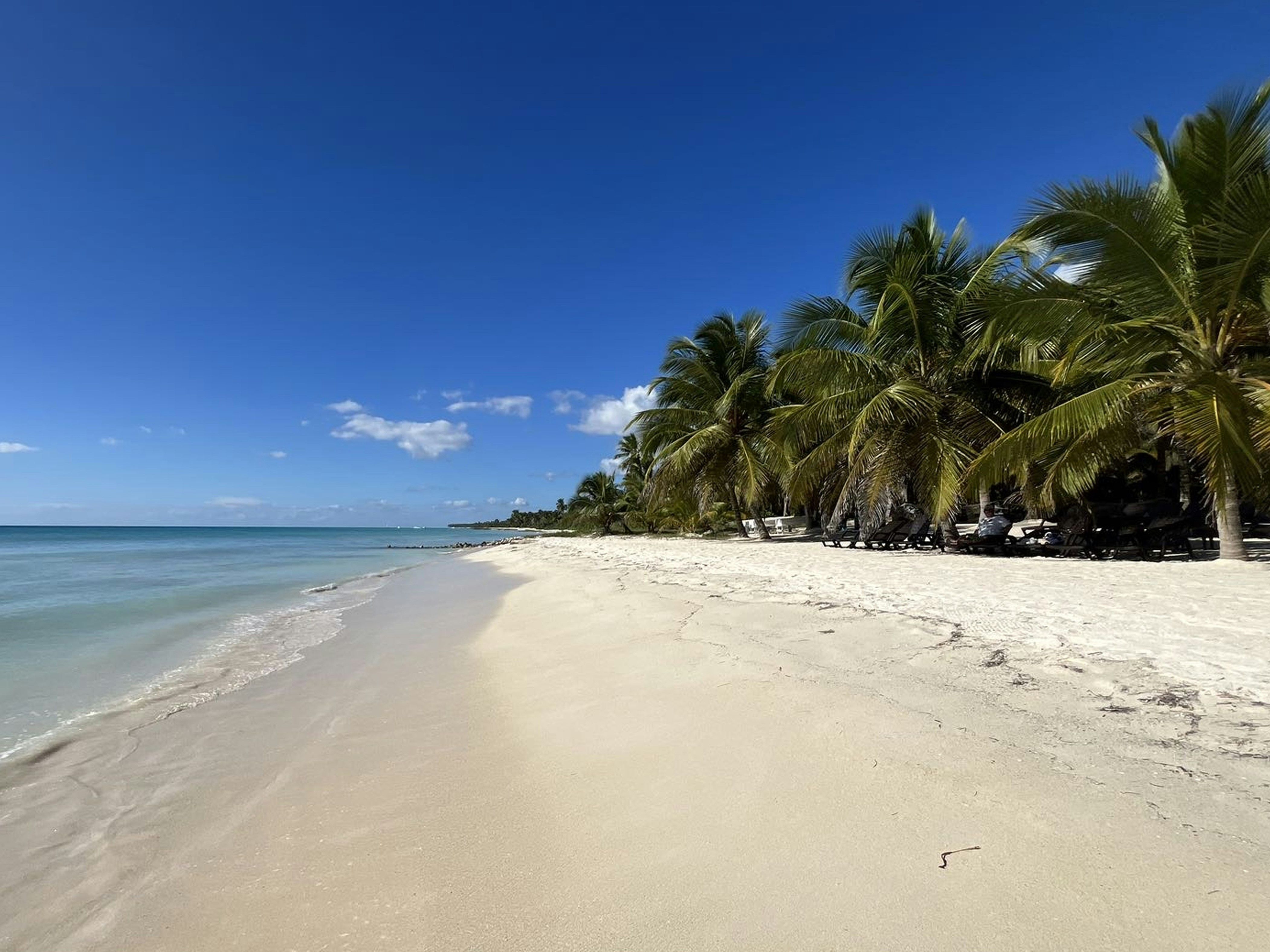
Treasure Cay Beach has shown up on “best beaches in the world” lists for years. The sand is powdery white. The water is warm and clear. And on most days, there are maybe 20 people on the entire stretch.
For divers and snorkelers, the options are stacked. Fowl Cay National Reserve, Pelican Cays Land and Sea Park, and the reef system off Tilloo Cay all offer protected underwater spots teeming with marine life. The Abacos are also a known spot for bonefishing, with flats that attract anglers from all over the world.
That range of activity is why a seaplane day trip out of Miami actually works. Eight hours on the ground gives enough time to explore a cay or two, eat fresh seafood on the dock, snorkel, and still get back to Miami by evening.
Things to Know Before You Go
A few items trip people up, so here is the short list.
- Passport required. The Bahamas is an international destination. A valid US passport is needed for entry. No exceptions.
- Customs and entry fees. Arrival fees apply and are paid on landing in the Bahamas. These are not included in the flight cost.
- Weight limits matter. Seaplanes have strict weight limits per passenger and total load. Most operators cap individual passengers at around 230 pounds. The combined weight of passengers and luggage also has a ceiling. Call ahead and confirm.
- Weather calls the shots. Flights are weather-dependent. If conditions are rough, the flight gets moved. Most operators fly year-round but reserve the right to cancel for safety.
- Book by phone for most Bahamas charters. Online booking works for some tours, but Bahamas destinations often need a phone call to lock in dates and sort out group sizes.
None of this is hard to handle. But knowing it in advance saves a scramble at the dock.
FAQs
How long is a seaplane flight from Miami to Abaco, Bahamas?
A seaplane flight from Miami to the Abaco Islands takes about 1.5 to 2 hours, depending on weather and the specific landing spot. Direct commercial flights take about 1 hour 10 minutes, but total airport time pushes that to 3 to 4 hours.
Do you need a passport to fly to Abaco by seaplane?
Yes. The Bahamas is a foreign country. A valid US passport is required for all travelers, including children. This applies to seaplane flights, commercial flights, and private charters.
Can a seaplane land directly on the water near Abaco’s cays?
Yes. That is a big part of the appeal. Seaplanes can land on water near islands like Hope Town and Green Turtle Cay that have no airstrip. This cuts out the ferry transfer from Marsh Harbour.
What is the best time of year to fly to Abaco by seaplane?
November through April offers the calmest weather, fewer rain interruptions, and lower humidity. But seaplane operators run year-round out of Miami. Summer months are warmer and slightly more prone to afternoon storms, but the islands are quieter, and rates can drop.
Bimini Bahamas Island Charter