Short answer: Looe Key snorkeling is different because it offers a federally protected, spur-and-groove reef system with depths starting at just 5 feet, over 150 fish species, 50+ coral varieties, and far fewer crowds than the heavily visited reefs in Key Largo. It is one of seven reefs selected by NOAA for Mission: Iconic Reefs, one of the largest coral restoration efforts in the world.
Now for the longer answer. Because this reef genuinely deserves it.
The Florida Keys sit along the only living coral barrier reef in the continental United States. That single fact draws millions of visitors every year. But here’s the thing: not all reefs in the Keys are created equal. Some are overcrowded. Some have suffered major coral decline. And some are so deep that beginners can barely enjoy them.
Looe Key, located about seven miles offshore from Big Pine Key in the Lower Keys, sidesteps almost every one of those problems. For travelers exploring Florida Keys excursions from Miami, Looe Key is one of the most rewarding reef stops in the Lower Keys.
It is a Sanctuary Preservation Area (SPA) within the Florida Keys National Marine Sanctuary. And it consistently shows up on lists of the top snorkeling destinations in the region for good reason.
The Reef Structure Is Unlike Anything Else Nearby
Most snorkeling spots in the Upper Keys, like those around John Pennekamp Coral Reef State Park or Molasses Reef off Key Largo, are either patch reefs or relatively flat formations. They’re beautiful, sure. But structurally, they’re not as dramatic.
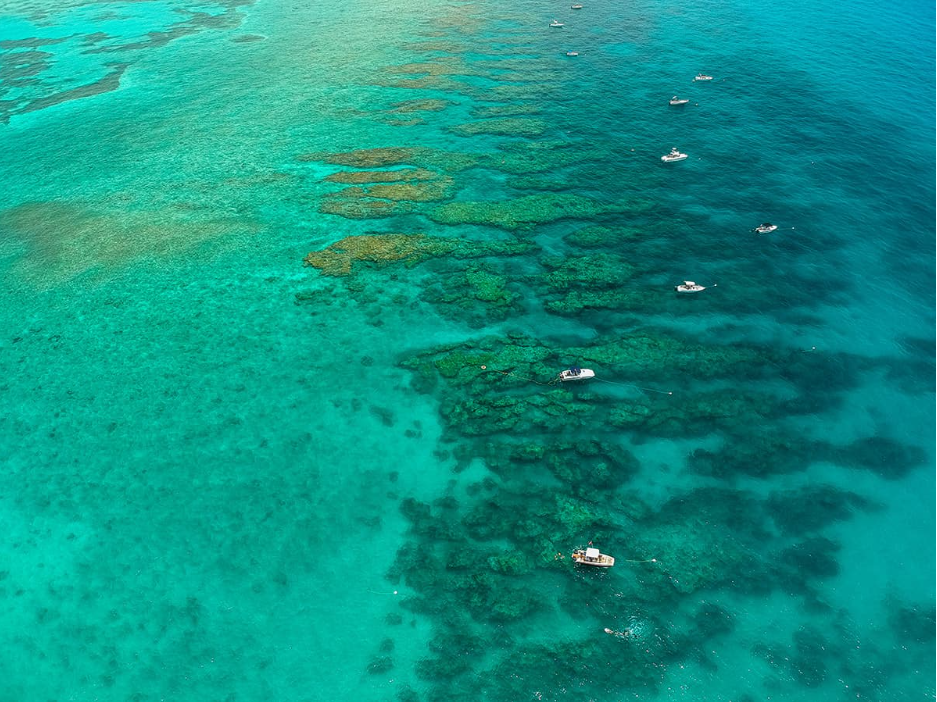
Looe Key is a classic spur-and-groove reef formation. Think of it like coral “fingers” separated by sandy channels. This creates natural swimways that make navigating underwater feel almost intuitive. The reef is roughly 200 yards long and 800 yards wide, with a U-shaped layout that provides variety at every turn.
The shallow sections sit in as little as 5 feet of water, while the outer banks drop to around 30 to 35 feet. For snorkelers, that shallow inner reef is the sweet spot. The coral heads rise close enough to the surface that everything is vivid and right there in front of your mask. No squinting into deep blue trying to make out shapes below.
Marine Life That Actually Shows Up
Plenty of reefs in the Keys advertise “abundant marine life.” Looe Key actually delivers.
Over 150 documented fish species call this reef home, along with more than 50 species of coral, including endangered elkhorn and staghorn varieties. On a typical outing, snorkelers commonly spot:
- Parrotfish (Rainbow, Stoplight, Midnight)
- Queen Angelfish and French Angelfish
- Yellowtail Snapper and Mangrove Snapper
- Barracuda and Jacks patrolling the reef crest
- Goliath Groupers (these are massive, sometimes over 400 pounds)
- Nurse Sharks and Blacktip Reef Sharks
- Spotted Eagle Rays gliding across the sand channels
- Sea Turtles (Loggerheads and Greens)
That mix of big pelagics and colorful reef dwellers in the same spot is surprisingly rare in the Keys. John Pennekamp and Molasses Reef have solid fish populations, but sightings of larger species like Goliath Groupers and sharks are far less common at those sites compared to Looe Key.
How Looe Key Compares to Other Popular Reefs
Here’s a side-by-side breakdown that helps put things in perspective:
Depth Range | 5 to 35 ft | 10 to 90 ft | 6 to 25 ft |
Reef Type | Spur-and-groove | Spur-and-groove | Spur-and-groove |
Crowd Levels | Moderate | High (heavily visited) | Moderate |
Fish Species | 150+ documented | High variety | Good variety |
Coral Species | 50+ including endangered | Good but declining in areas | Moderate |
Large Marine Life | Sharks, Goliath Groupers, Rays | Less common | Occasional |
NOAA Iconic Reef | Yes | No | Yes |
Historic Shipwreck | HMS Looe (1744) | No notable wreck | No notable wreck |
Beginner Friendly | Very (shallow areas) | Moderate (deeper overall) | Yes |
The takeaway? Looe Key hits a rare combination of shallow access, biodiversity, and lower crowd density that most other Keys reefs simply cannot match.
A Reef With Actual History Under It
This one catches people off guard. Looe Key is named after the HMS Looe, a British warship that ran aground on the reef back in 1744 while towing a captured French vessel. The ship sank in about 25 feet of water and burned to the waterline. Archaeological studies have found ballast stones from both the HMS Looe and its companion ship, the Billander Betty, at the eastern end of the reef.
So when someone goes Looe Key snorkeling, they’re floating over a spot with nearly 300 years of documented maritime history. That adds a layer of intrigue that a generic patch reef off Key Largo just doesn’t have.
Active Coral Restoration Is Changing the Game
Here’s where things get really interesting. Looe Key was one of the first areas in the Keys protected as a standalone sanctuary back in the 1980s, before the broader Florida Keys National Marine Sanctuary even existed. And in 2019, NOAA selected it as one of seven reef sites for Mission: Iconic Reefs, a decades-long restoration project that aims to bring coral cover back up to 25 percent.
Teams from NOAA, Coral Restoration Foundation, and Mote Marine Laboratory have been outplanting nursery-grown staghorn, elkhorn, star, and brain corals directly onto the reef. The goal? Self-sustaining coral populations by 2040.
Snorkelers can actually see these transplanted corals growing on the reef today. That’s not something available at most snorkeling destinations in the Keys, or anywhere else in the continental U.S. for that matter.
The Only Reef in the Keys With an Underwater Music Festival
This is not a joke. Every July, the Lower Keys Underwater Music Festival takes place at Looe Key Reef. The 2026 edition was the 42nd year running. Ocean-themed music gets broadcast through underwater speakers while costumed divers “play” oversized fake instruments on the reef. Mermaids with harps, snorkelers with saxophones. The whole scene is wonderfully bizarre.
But beyond the fun, the festival carries a conservation message. Between songs, divers hear reminders about protecting coral reefs, using mooring buoys responsibly, and practicing reef-safe habits. It started in 1985 when a local radio station news director named Bill Becker wanted to raise awareness for coral preservation, and it has been going strong since.
No other reef in the Keys (or anywhere in the world, really) offers anything like it.
Why This Matters for Visitors Flying Into the Keys
For travelers heading to the Lower Keys from Miami, Looe Key sits in an ideal position. It’s accessible via a roughly 45-minute boat ride from Big Pine Key, with multiple dive operators and charter services offering daily trips.
Miami Seaplane Tours offers a dedicated Fly and Snorkel experience that pairs a scenic seaplane flight with a full day of guided reef snorkeling along the Florida Keys barrier reef.
And for those short on time or looking for a more dramatic way to experience the Keys, aerial views of this turquoise water and the reef formations below are something else entirely. Seeing the spur-and-groove pattern from above before dropping down to snorkel through it adds a completely different dimension to the experience.
Best Time to Go
Water conditions at Looe Key are generally best between April and October, when seas tend to be calmer and visibility peaks. Morning trips typically offer the clearest water before afternoon winds pick up. Water temperatures hover between 78 and 84°F during peak season, making it comfortable enough that a full wetsuit isn’t necessary for most people.
Visitors combining a Key West day trip with a snorkeling stop can easily build Looe Key into the itinerary, since the reef sits just northeast of Key West in the Lower Keys corridor.
FAQs
How deep is the water at Looe Key for snorkeling?
The shallow areas of Looe Key start at around 5 feet, making it accessible for beginners and families. The reef gradually deepens to about 35 feet at the outer banks, with some sections dropping to 100 feet at the very edge.
Is Looe Key snorkeling better than John Pennekamp?
They offer different experiences. John Pennekamp is more accessible from Key Largo and has iconic spots like the Christ of the Abyss statue. But Looe Key generally offers healthier coral, more large marine life sightings (sharks, Goliath Groupers), and fewer crowds because of its Lower Keys location.
Do you need a boat to reach Looe Key?
Yes. Looe Key sits about seven miles offshore from Big Pine Key. There is no shore access. Snorkel and dive operators run daily boat trips from Big Pine Key and surrounding areas, usually departing from Bahia Honda State Park or the Looe Key Dive Center on Ramrod Key.
What marine life can you see at Looe Key?
Looe Key is home to over 150 fish species and 50+ coral species. Common sightings include parrotfish, angelfish, barracuda, yellowtail snapper, nurse sharks, Goliath Groupers, spotted eagle rays, and sea turtles. During calm conditions, visibility can reach 50 feet or more.
Bimini Bahamas Island Charter