Islamorada snorkeling has more to offer than the famous sandbar. Alligator Reef, Cheeca Rocks, and the San Pedro shipwreck all sit within a short boat ride and deliver far better fish life and coral than the crowded shallows most visitors default to.
The sandbar gets all the attention. And sure, it’s fun. Waist-deep water, a dozen boats tied together, music playing, drinks in hand. But that’s a party spot, not a snorkeling spot. Real Islamorada snorkeling happens on the reefs and wrecks scattered along the Atlantic side, where the coral is alive and the fish don’t scatter every time someone cannonballs off a bow.
Here’s where to actually go.
1. Alligator Reef
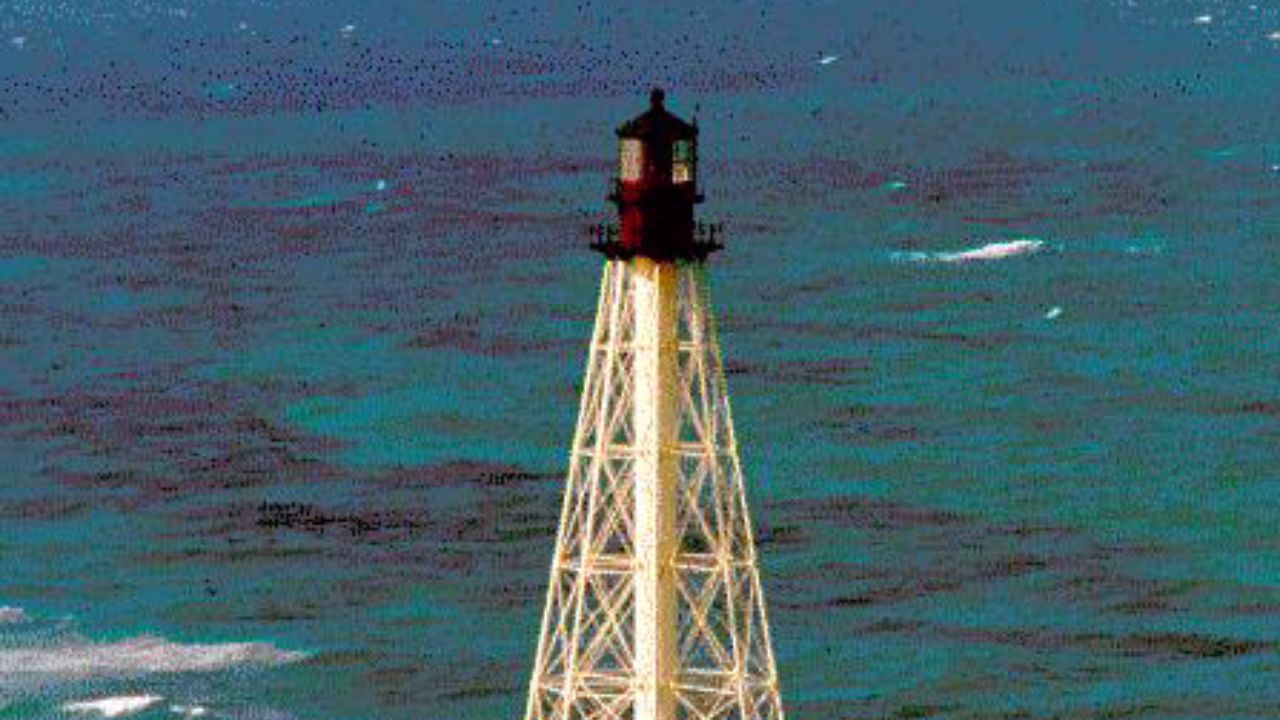
This one’s a classic for a reason. A 136-foot lighthouse marks the spot, built back in 1873 after the USS Alligator ran aground here in 1822. That history alone makes it worth the trip. But the real draw is underwater.
Coral formations spread wide across the reef. Tropical fish move in thick schools. Visibility runs clear most days, which matters more than people think. Good visibility is what separates a forgettable snorkel from one you talk about for years.
Beginners do fine here. Experienced snorkelers still find plenty to explore. That combination is rare.
2. Cheeca Rocks
Depths here range from 8 to 20 feet, making it a patch reef rather than a deep wall dive. Close to shore. Short ride out. Good for families who don’t want to spend half the day getting there and back.
Cheeca Rocks isn’t flashy. It’s steady. Soft corals, small reef fish, the occasional ray gliding along the bottom. What makes it stand out is consistency. Bad weather days that ruin trips to farther-out reefs often leave Cheeca Rocks calm enough to snorkel anyway.
Worth knowing before you book:
- Depth range: 8 to 20 feet
- Distance: short boat ride from Islamorada marinas
- Best for: families, beginners, calmer sea days
- What you’ll see: soft corals, reef fish, rays
3. Hen and Chickens Reef
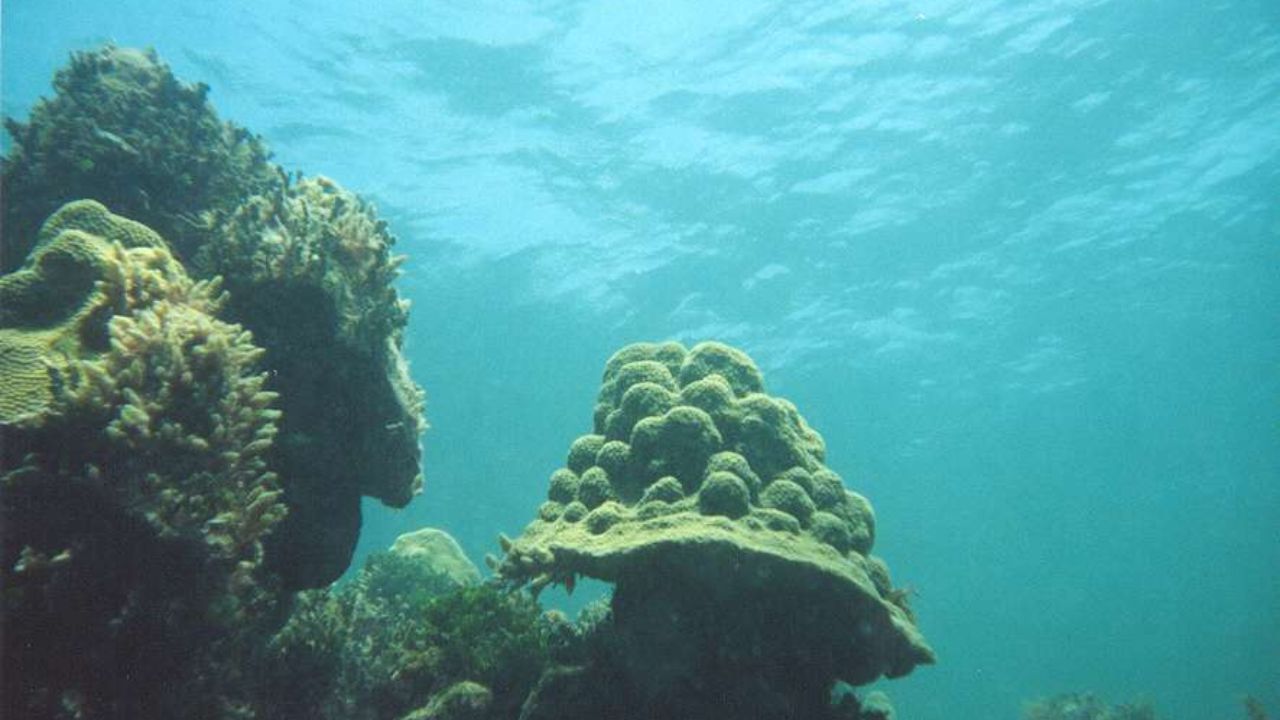
Named for its coral formations, which look like a hen surrounded by her chicks if you squint a little. Shallow. Calm. Beginner-friendly to the point where first-timers barely need instruction.
Angelfish drift past in pairs. Spiny lobsters tuck into the rock. Parrotfish chew on coral with that odd clicking sound that surprises people the first time they hear it underwater. Sea fans wave with the current, slow and steady.
This is the spot for kids on their first snorkel trip. Low stress, high payoff.
4. Crocker Reef
Not for beginners. Crocker Reef sits deeper than most of the spots on this list, and the current runs stronger. That’s exactly why some snorkelers prefer it.
Predatory fish show up more here. Barracuda cruise the edges. The reef structure feels more dramatic: sharper drop-offs, bigger coral heads. It’s a different kind of Islamorada snorkeling experience, less postcard, more adventure.
Go here if the calm, shallow reefs already feel too easy. Skip it if you’re still building confidence in open water.
5. San Pedro Underwater Archaeological Preserve
A sunken Spanish ship from 1733. Not a replica, not a story someone made up for tourists. The San Pedro was a 287-ton vessel that went down in a hurricane while sailing with a larger Spanish flotilla, and it’s sat in 18 feet of water south of Indian Key ever since.
What’s left isn’t a full ship. Salvage crews stripped most of it decades ago. What remains is a ballast pile roughly 90 feet long, now surrounded by replica cannons, an anchor, and a plaque explaining the wreck’s history. Fish have moved in and made it home, so the site works as both a history lesson and a living reef.
Trips that combine a flight over the reef with time in the water make it easy to spot the wreck’s outline from above before ever getting in, something Miami Seaplane Tours builds right into its Islamorada routes.
Eighteen feet isn’t deep. Snorkelers can see the whole layout from the surface without much effort. That’s rare for a wreck site this significant.
Feature | Detail |
Depth | 18 feet |
Location | 1.25 nautical miles south of Indian Key |
Sank | July 13, 1733 |
Access | Boat only, no shore entry |
Highlights | Ballast pile, replica cannons, anchor, marine life |
6. Davis Reef
Quieter than the big-name spots. Fewer boats, fewer crowds, same quality coral. Davis Reef sits close enough to Islamorada that it doesn’t require a long haul, but far enough off the beaten path that most day-trippers skip it without knowing what they’re missing.
Reef fish here seem less used to people. They hold their ground a little longer before darting off, which makes for better photos and a calmer overall experience. If crowds are the main complaint about typical Islamorada snorkeling spots, this is the fix.
7. Conch Reef
Deeper sections here push toward wall-dive territory, but the shallower patches still work well for snorkeling. Coral variety runs high. Sponges, sea fans, and smaller fish species show up in numbers that surprise first-timers.
Conch Reef doesn’t get the same foot traffic as Alligator Reef or the sandbar, which keeps the marine life a bit more relaxed. Bring a waterproof camera. The color contrast between the sponges and coral here photographs well, better than most spots on this list.
Quick Comparison: Which Spot Fits Your Trip
Spot | Skill Level | Distance | Best For |
Alligator Reef | Beginner to intermediate | Short | History plus reef variety |
Cheeca Rocks | Beginner | Short | Families, calm days |
Hen and Chickens | Beginner | Short | First-time snorkelers |
Crocker Reef | Intermediate to advanced | Moderate | Stronger current, bigger fish |
San Pedro Wreck | Beginner to intermediate | Moderate | Wreck history, shallow depth |
Davis Reef | Beginner to intermediate | Short | Fewer crowds |
Conch Reef | Intermediate | Moderate | Coral variety, photography |
Skip the Boat Line, Fly In Instead
Most of these spots require a boat charter out of a marina, which eats up half a day before anyone even gets in the water. There’s another way to see Islamorada that skips the drive and the dock entirely.
A seaplane trip from Miami covers the same stretch of coastline from the air first, then lands right near the action. Passengers get a bird’s-eye view of the reefs before ever putting on a mask, which honestly changes how the whole trip feels. Seeing Alligator Reef from above, then snorkeling it an hour later, adds a layer most boat-only trips can’t match.
Fly-and-dine trips built around Islamorada already exist for exactly this reason. Worth a look if the goal is less travel time and more time in the water.
The Fly & Dine Islamorada trip pairs that flight with lunch on the water, so a morning snorkel session and an afternoon meal both fit into a single day trip from Miami.
Final Thoughts
The sandbar isn’t going anywhere, and it’s still a fun stop for a drink and a swim. But Islamorada snorkeling gets a lot more interesting once boats head past it. Alligator Reef and Cheeca Rocks work for almost anyone. Crocker Reef and Conch Reef reward snorkelers who want more of a challenge. And the San Pedro wreck offers something none of the reef sites can: actual history sitting eighteen feet underwater.
Pick based on skill level and crowd tolerance. Then get out there.
FAQs
Is Islamorada snorkeling good for beginners?
Yes. Spots like Hen and Chickens Reef and Cheeca Rocks sit in shallow, calm water with easy access, making them solid choices for first-timers.
Do I need a boat to reach these snorkeling spots?
Most of them, yes. Alligator Reef, Crocker Reef, Davis Reef, and the San Pedro wreck all require boat access since they sit offshore.
What’s the best month for snorkeling in Islamorada?
Late spring through early fall generally offers the clearest water and calmest seas, though conditions can shift week to week depending on weather systems.
Can you see the San Pedro shipwreck without scuba gear?
Yes. It sits in just 18 feet of water, shallow enough that snorkelers can see the ballast pile, cannons, and anchor clearly from the surface.
Bimini Bahamas Island Charter